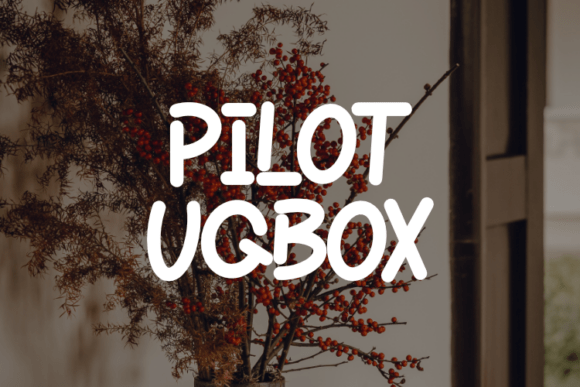
Pilot Uqbox Font: A Display Typeface for Modern Branding
Last Tuesday, I sat at my desk staring at a prototype candle label that just wasn't working. The product itself was beautiful—a hand-poured soy blend with notes of cedar and smoked vanilla—but the packaging felt flat. The typography looked generic, like something pulled from a default word processor rather than a curated lifestyle brand. As a creative consultant helping small businesses refine their visual identity, I see this disconnect constantly. You have an incredible product, but the font choice fails to communicate its value. That afternoon, I decided to test the Pilot Uqbox font on the mockup, and the shift in perception was immediate.
Pilot Uqbox is not your standard body text typeface; it is a dynamic display font crafted with precision that breathes innovation into design. When applied to that candle label, the letterforms added a layer of architectural structure that felt both contemporary and artisanal. It transformed the jar from a simple container into a shelf-worthy object. For business owners and creators, understanding how to leverage a versatile tool like Pilot Uqbox can be the difference between blending in and standing out in a crowded marketplace.
Elevating Product Packaging and Labels
In the world of physical products, typography is often the first tactile interaction a customer has with your brand. Whether you are selling skincare, apparel, or baked goods, the font sets the emotional tone before the customer even reads the ingredients list. Pilot Uqbox excels here because of its distinct personality. It avoids the coldness of rigid geometric sans serifs while steering clear of the overly ornate nature of traditional scripts. Instead, it occupies a sweet spot of modern industrial elegance.
When I redesigned the packaging suite for a local boutique using this typeface, we focused on hierarchy. We used Pilot Uqbox exclusively for the product names and the primary logo lockup. Its bold, innovative character allowed us to reduce the overall size of the text while maintaining high impact. This is crucial for small labels where space is premium real estate. The font’s unique construction ensures legibility even when scaled down for cosmetic jars or clothing tags, provided you aren't pushing it below 8pt. For larger formats, like shipping boxes or tote bags, the typeface commands attention without screaming, creating a premium unboxing experience that encourages social media sharing.
Digital Consistency Across Social Media and Web
A common pitfall for small businesses is having a cohesive physical brand that falls apart online. Your Instagram grid should feel like a natural extension of your packaging. Pilot Uqbox translates surprisingly well to digital environments, particularly in square formats and vertical stories. During a recent rebrand for a coffee roaster, we utilized this font for their seasonal menu announcements and promotional reels. The strong vertical and horizontal lines create natural framing devices within images, making text overlays readable against busy photography.
However, digital application requires mindfulness regarding screen resolution. While Pilot Uqbox is fantastic for headlines and short phrases on a website banner, it should not be used for long-form blog posts or detailed product descriptions. Reserve it for the "hook"—the sale announcement, the collection title, or the navigation headers. Pairing it with a clean, neutral sans serif for body copy creates a professional rhythm that guides the user’s eye. This combination signals to customers that your business is established and thoughtful. When your digital typography mirrors the quality of your physical goods, trust increases, and friction in the buying process decreases.
Strategic Font Pairing and Visual Hierarchy
No font exists in a vacuum, and Pilot Uqbox is a team player that shines when supported correctly. Because it carries so much visual weight and character, it needs breathing room. If you are building a brand identity system, consider these practical pairing strategies:
- The Minimalist Approach: Pair Pilot Uqbox with a lightweight geometric sans serif. The contrast between the innovative display font and the quiet utility of the supporting text creates a high-fashion editorial look perfect for apparel brands.
- The Heritage Feel: Combine it with a classic serif font for body text. This juxtaposition blends modern innovation with traditional craftsmanship, ideal for bakeries, breweries, or heritage-style home goods.
- The Organic Touch: Use a subtle handwritten font for accents like "handmade" or signature lines alongside Pilot Uqbox. This softens the structural rigidity of the display font and adds a human element to tech-forward or industrial brands.
Remember that hierarchy is about more than just size; it is about weight and spacing. When setting Pilot Uqbox, try increasing the tracking (letter-spacing) slightly for uppercase headlines to add airiness, or tighten it for a denser, more impactful block of text. These micro-adjustments tailor the font’s mood to your specific business niche.
Practical Considerations for Commercial Use
Before you commit to a new typeface for your business assets, you must look beyond aesthetics to functionality and legality. Pilot Uqbox is categorized as a display font, which means it is designed for large sizes and short bursts of text. Testing readability across different mediums is non-negotiable. Print a test label at actual size before ordering a bulk run. What looks crisp on a 27-inch monitor might lose definition on textured paper or matte vinyl. Always check how the ink spreads on your specific packaging material.
Equally important is licensing. As a business owner, ensuring you have the correct commercial license protects you from legal headaches down the road. Verify whether your license covers all intended uses, including merchandise for resale, digital templates, and client work. Some licenses differentiate between desktop use for designing and webfont use for live sites. Additionally, explore the included alternates and ligatures. Pilot Uqbox often includes special characters that can turn a standard logotype into a custom trademark without the cost of hiring a lettering artist. Utilizing these built-in features maximizes the value of the asset and helps secure a unique brand footprint.
Typography is one of the most cost-effective ways to upgrade your business perception. You don't always need a total rebrand or a new photographer to look more polished. Sometimes, simply swapping a tired, overused typeface for something intentional like Pilot Uqbox provides the fresh perspective your customers need to see. It tells them that you care about the details, and in the world of small business, those details are what build lasting loyalty.